
Lần Đầu · First Time
Saigon for First Timers
everything we wish someone had told us
Powered by ITINE
Get this guide as a tappable itinerary
Day-by-day plan, audio tours, and one-tap Google Maps — completely free.
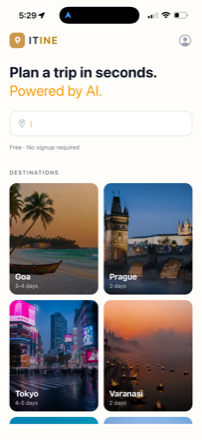
Destinations
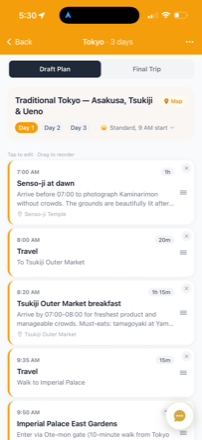
Your Itinerary
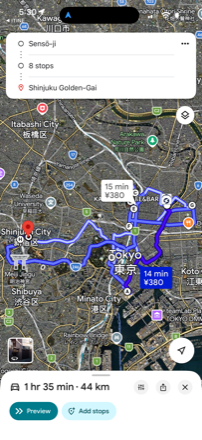
Google Maps
Saigon (Ho Chi Minh City) is electric, chaotic, beautiful, and absolutely overwhelming on first contact. The motorbikes, the heat, the smells, the noise — it hits you all at once. But here's the thing: within 24 hours, you'll love it. This guide is everything you need to skip the rookie mistakes and start enjoying immediately.
Bí Quyết · Tips
12 Things to Know Before You Go
Specific, opinionated tips from someone who lives here. The kind of things you learn after making the mistakes yourself.
Download Grab before you land
Grab is Southeast Asia's Uber — but better. It's your taxi, motorbike taxi, food delivery, and payment app in one. Download it, link a card, and you'll never need to haggle with a taxi driver. GrabBike costs 15,000-30,000 VND across District 1. GrabCar for airport transfer: 150,000-200,000 VND to center.
Insider: Set your pickup pin carefully — GPS can be off by 50m in narrow alleys. Stand on a main road for easier pickup. Prices surge 1.5-3x during rain and rush hour (7-9 AM, 5-7 PM) — wait 15 minutes for it to drop.
Cash is king (but ATMs are everywhere)
Street food stalls, local markets, and small shops only take cash. ATMs are on every block — Vietcombank and BIDV have the lowest fees (free for some international cards). Withdraw in larger amounts to minimize fees. 1,000,000 VND = roughly $40 USD. Always carry small bills — breaking 500,000 VND notes at a street stall is awkward.
Insider: The 500,000 VND note looks similar to the 20,000 VND note in dim light. The 500k is blue-green, the 20k is lighter blue. Check before paying.
Crossing the road is an art form
Saigon has 9 million motorbikes. Crosswalks are decorative. The secret: walk slowly and steadily at a constant pace. Don't stop, don't run, don't make sudden movements. The motorbikes flow around you like water around a rock. Look left, step off, maintain pace. It works — locals do it all day. The worst thing you can do is panic and run.
Insider: Follow a local across first if you're nervous. After day two, you'll cross without thinking.
Eat where the locals eat
The lower the plastic stool, the better the food. If a restaurant has menus in English with photos, the food is probably 30% more expensive and 30% worse. Follow the queues. The best phở at 6 AM has 40 people waiting. Street food stalls with high turnover are the safest — the food never sits long enough to go bad.
Insider: Lunch rush is 11 AM – 1 PM. Many stalls sell out of their best dishes by 12:30. Arrive early.
Remove shoes before entering homes and some shops
If you see shoes outside a door, take yours off. This applies to temples, homes, some smaller shops, and guesthouses. It's one of the most basic cultural expectations in Vietnam. Nobody will yell at you for forgetting, but they'll notice.
Buy a SIM card at the airport
Get a Viettel or Mobifone SIM at arrivals (look for the kiosks after customs). 100,000-150,000 VND for 30 days of unlimited 4G data. They'll set it up for you. You need this for Grab, Google Maps, Google Translate camera mode, and WhatsApp. Don't rely on hotel WiFi — you'll be on the street all day.
Insider: Viettel has the best coverage outside the city center (important for Cu Chi Tunnels and Mekong Delta day trips).
Bag snatching is the main risk — not violent crime
Saigon is remarkably safe for a city of 10 million. Violent crime against tourists is extremely rare. The real risk: motorbike bag snatching. Two guys on a bike grab your phone or bag while passing. Prevention: carry your bag on the building side (not road side), don't use your phone while walking near traffic, use a crossbody bag. If it happens, let go — nothing is worth being dragged.
Vietnamese people are genuinely friendly — it's not a scam
If someone says hello and wants to practice English, they usually mean it. University students genuinely want conversation practice. Shopkeepers offer tea because it's hospitable. Not everyone is trying to sell you something. Vietnam is one of the most welcoming countries in Southeast Asia. Return the warmth.
The heat is no joke — plan around it
November to April is 'cool' season (28-32°C). May to October adds humidity and afternoon thunderstorms. Either way, midday (11 AM – 2 PM) is brutal. Do what locals do: heavy sightseeing in the morning (7-11 AM), long lunch in air conditioning, resume at 3-4 PM. Carry water everywhere. Ducking into a café at noon isn't lazy — it's survival.
Insider: Rainy season storms are intense but short — usually 30-60 minutes in the afternoon. Wait it out with a cà phê sữa đá.
Everything is cheaper than you think
Street food meal: 30,000-60,000 VND ($1.20-2.40). Grab across District 1: 15,000-30,000 VND ($0.60-1.20). Good hotel room: 600,000-1,200,000 VND ($24-48). Bia Saigon on the street: 12,000-15,000 VND ($0.50-0.60). A full day of eating, transport, and activities costs $15-30 for budget travelers, $40-80 mid-range. You don't need to stress about money here.
Don't rent a motorbike on day one
The traffic looks insane because it IS insane — but it has a flow. You need 2-3 days of observation before you can read it. If you've never ridden in Southeast Asian traffic, start with GrabBike (riding pillion) to learn the patterns. If you do rent: get an automatic scooter, wear a helmet, drive slowly, and avoid rush hour (7-9 AM, 5-7 PM). Your travel insurance probably doesn't cover motorbike accidents without a Vietnamese license.
Vietnamese coffee is strong — very strong
A single Vietnamese cà phê sữa đá has roughly 4x the caffeine of a Starbucks latte. It's brewed with robusta beans through a slow drip phin filter, then mixed with condensed milk over ice. Delicious — but if you're caffeine-sensitive, start with one and see how you feel. The afternoon crash from two morning coffees is real. Also: egg coffee (cà phê trứng) is a dessert, not a caffeine delivery system.
Sai Lầm · Mistakes
8 Mistakes Every First-Timer Makes
We made all of these so you don't have to. Each one is avoidable with 30 seconds of knowledge.
Result:You see tourist Saigon, not real Saigon. District 1 is 5% of the city.
Result:Rigged meters, circular routes, fake Vinasun/Mai Linh taxis. You'll pay 2-3x the real price.
Result:You miss the entire point of Saigon. Restaurant food is fine, but the soul of this city is on the sidewalk.
Result:Exhaustion, heatstroke, and superficial experiences. Saigon rewards slow exploration.
Result:You pay 3-5x the local price at Ben Thanh Market and similar tourist spots.
Result:Expensive, rushed, and you miss the best parts of Saigon — which are found by wandering.
Result:Wet feet during rain, sore feet from walking 15,000+ steps on concrete, splashed by puddles.
Result:You become a snatch-and-grab target and announce 'tourist' from 100 meters away.
Văn Hóa · Culture
Dos & Don'ts
Vietnamese culture is warm and forgiving of tourists, but knowing these basics shows respect and opens doors.
Do This
- ✓Say 'xin chào' (hello) and smile — Vietnamese people appreciate the effort even if pronunciation isn't perfect
- ✓Accept tea if offered by a shopkeeper — it's hospitality, not a sales tactic
- ✓Use both hands when giving or receiving something from an elder
- ✓Remove shoes before entering homes, temples, and some small shops (look for shoes at the door)
- ✓Cover shoulders and knees at temples and pagodas — carry a light scarf for this
- ✓Try to learn a few Vietnamese words — locals light up when tourists make the effort
- ✓Bargain at markets (it's expected) but never at food stalls (the price is the price)
- ✓Ask before photographing people, especially in markets and rural areas
Don't Do This
- ✗Don't point with your finger — use an open palm to gesture instead
- ✗Don't touch someone's head — it's considered the most sacred part of the body
- ✗Don't point the soles of your feet at people, altars, or Buddhist images
- ✗Don't blow your nose loudly in restaurants — step outside if needed
- ✗Don't publicly display anger or raise your voice — 'losing face' is serious in Vietnamese culture
- ✗Don't hand money with one hand to elderly people — use both hands as a sign of respect
- ✗Don't wear revealing clothing in temples or government buildings
- ✗Don't assume everyone wants to scam you — most interactions are genuine warmth
Tiếng Việt · Language
15 Vietnamese Phrases That Open Doors
You don't need to speak Vietnamese. But these phrases will transform your experience from tourist to welcomed guest.
sin chow
Universal greeting. Works everywhere, anytime.
kahm uhn
After every meal, every purchase, every interaction.
bow nyew
Essential at markets. Point + this phrase = transaction complete.
ngon wah
Say this to any food stall vendor. Instant friendship.
kohm, kahm uhn
Polite refusal for persistent vendors. Smile while saying it.
moht kai nai
Point at food + say this. Works in any street stall.
tin tee-en
For restaurants. On the street, just hold up money.
uh dow
Add any place name after. People will point you there.
yoop toy
If you're lost or need assistance. Vietnamese people are incredibly helpful.
sin loy
When bumping someone, getting attention, or passing through crowds.
nook
Essential survival word. 'Nước lọc' = plain water.
kah feh sua dah
The national drink. Memorize this one above all others.
hem
Where all the best food and life hides. 'Hẻm 138' = Alley 138.
boon / fuh / kuhm
The three base foods. Every meal starts with one of these.
chai / fai / tahng
For directions. Combine with pointing for navigation.
Cẩn Thận · Be Careful
Scams to Know About
Saigon is safe, but like any tourist city, minor scams exist. Knowing them in advance makes them powerless. None are dangerous — just annoying and expensive if you fall for them.
How it works:Fake Vinasun or Mai Linh taxis (slightly wrong logos/colors) with rigged meters that run 3-5x fast. They target new arrivals who don't know the real price. Sometimes take deliberately long routes.
How to avoid:Use Grab exclusively for airport transfers. If you must take a taxi, only use official counters inside the terminal. Real Vinasun: white with red/green stripes. Real Mai Linh: green. Check the meter starts at 11,000-12,000 VND.
How it works:Someone 'accidentally' squirts shoe polish on your shoes and insists on cleaning them, then demands an outrageous fee. Or: someone ties a friendship bracelet on your wrist uninvited and demands payment. Concentrated around tourist areas in District 1.
How to avoid:Walk away immediately. Don't engage, don't look, don't stop. A firm 'không' (no) while walking works. If they grab your arm, say loudly 'KHÔNG' and keep moving. They'll find an easier target.
How it works:Someone in a vest claims you owe a parking fee for stopping your rental motorbike somewhere. They may point to a 'fee' sign. Legitimate parking fees exist (5,000 VND) but scammers ask for 50,000-100,000 VND.
How to avoid:Real parking fees are 5,000-10,000 VND max for motorbikes. If someone asks more, say 'không, cảm ơn' and walk to your bike. They won't physically stop you.
How it works:Some restaurants near Bui Vien and Ben Thanh have two prices — one for locals, one for tourists. Or they bring dishes you didn't order and charge for them. The bill arrives significantly higher than expected.
How to avoid:Ask prices before ordering if there's no menu. Photograph the menu with prices. Don't accept dishes you didn't order — wave them away immediately. Eat where locals eat, not in tourist zones.
How it works:Cyclo driver quotes a low price ('50,000 for one hour'), then at the end claims it was 50,000 per person, per 15 minutes. Or takes a deliberately long route.
How to avoid:Agree on TOTAL price before getting in. Write it on your phone screen and show them. Better yet: skip cyclos entirely and use GrabBike — faster, cheaper, metered.
Perspective: these scams affect a tiny percentage of visitors. Saigon is overwhelmingly full of kind, hospitable people who go out of their way to help. Don't let a few bad actors make you suspicious of everyone. The shop owner offering you tea is almost always just being Vietnamese.
Hành Lý · Packing
Saigon Packing Checklist
What to bring, what to leave behind, and what makes Saigon specifically different from other Southeast Asian destinations.
Essential
- ●Lightweight breathable clothingIt's 30-35°C. Cotton and linen breathe. Dark colors hide street food stains and motorbike dust.
- ●Comfortable walking shoesYou'll walk 12-20k steps daily on broken sidewalks. Closed-toe for rain protection. Must dry quickly.
- ●Rain poncho or compact umbrellaRainy season: daily storms. Dry season: occasional surprise showers. Ponchos cost 10k VND locally but nice to have one ready.
- ●Crossbody anti-theft bagMain safety precaution. Bag on building-side, not road-side. Holds phone, cash, passport copy.
- ●Wet wipes / hand sanitizerStreet food stalls don't always have napkins or soap. Non-negotiable for comfortable eating.
- ●Sunscreen SPF 50The tropical sun burns through clouds. Apply before going out, reapply at lunch. Your face will thank you.
- ●Power bankYour phone is your map, translator, taxi app, and camera. One dead battery = lost in a city of 10 million.
- ●EarplugsSaigon never sleeps. Motorbike horns start at 5 AM. Essential for light sleepers, especially in District 1.
Nice to Have
- ○Modesty scarf/shawlFor temple visits — cover shoulders and knees. Also doubles as sun protection and airplane blanket.
- ○Photocopy of passportLeave real passport in hotel safe. Carry a copy for random checks (rare but legal). Photo on phone works too.
- ○Reusable water bottleRefill at hotels and cafes. Tap water isn't drinkable but filtered water is everywhere. Saves plastic and money.
- ○Quick-dry towelBudget hotels may have thin towels. Also useful for wiping sweat, sitting on hot surfaces, impromptu picnics.
Một Ngày · One Day
Only Have 24 Hours? Do This.
The essential first-day route. Covers the must-sees, the must-eats, and still leaves time to breathe. Walk this and you'll understand why people fall in love with Saigon.
Phở breakfast at Phở Hòa
Pasteur Street, District 3. Arrive before 7 for no queue. Order phở bò tái (rare beef). Watch the locals add herbs.
Cà phê sữa đá at a local shop
Any corner café. Sit on a tiny plastic stool. Watch Saigon wake up. 15,000-20,000 VND.
War Remnants Museum
Arrive at opening (7:30). Allow 90 minutes. Emotionally intense but essential. 40,000 VND entry.
Notre-Dame Cathedral + Central Post Office
5-minute walk from museum. Cathedral exterior only (under renovation). Post office interior is the real attraction — French colonial architecture.
Reunification Palace
The building where the Vietnam War ended. Rooftop helicopter, underground bunkers, time-capsule interiors. 65,000 VND. Allow 60-90 minutes.
Bánh mì lunch at Huỳnh Hoa
Lê Thị Riêng street. Always a queue — moves fast. 65,000 VND for the best sandwich you'll ever eat. Eat while walking.
Escape the heat — café or hotel
Midday sun is brutal. Duck into The Workshop (Lê Lợi) for excellent coffee and air conditioning. Recharge for 60-90 minutes.
Ben Thanh Market + surrounding streets
Market itself is touristy but the surrounding streets have genuine stalls. Don't buy inside — prices are 2-3x. Walk through for the atmosphere.
District 1 walking tour
Nguyen Hue Walking Street → Cafe Apartment at 42 Nguyen Hue (pick any floor for coffee with a view) → Dong Khoi → Opera House → Hotel Continental. The colonial French quarter in golden afternoon light.
Rooftop sunset drinks
Saigon Saigon Rooftop Bar (Caravelle Hotel) or Chill Skybar. Cocktails 150,000-250,000 VND. Watch the city light up.
Street food dinner crawl
Start at cơm tấm on Bùi Viện area. Add a bánh xèo from a stall. Finish with chè (sweet soup) for dessert. Total: ~100,000 VND.
Bùi Viện Walking Street
The backpacker street comes alive at night. Bia hơi (fresh beer) for 10,000-15,000 VND. Music, people-watching, energy. End whenever feels right.
Hỏi Đáp · FAQ
Frequently Asked Questions
Is Saigon safe for tourists in 2026?
Yes — Saigon is one of the safest large cities in Southeast Asia. Violent crime against tourists is extremely rare. The main risks are bag snatching from motorbikes (use a crossbody bag on the building side) and traffic accidents (look both ways, walk steadily). Most tourists report feeling safer in Saigon than in many European or American cities. Common sense precautions apply: don't flash expensive jewelry, avoid walking alone in completely deserted areas at 3 AM, and keep your phone secure near roads.
How many days do I need in Saigon?
Minimum 2 days for the highlights (War Remnants Museum, street food, District 1 walking). Ideal is 3-4 days — this gives you time for a Cu Chi Tunnels or Mekong Delta day trip plus relaxed neighborhood exploration. 5 days lets you go deep: all the day trips, multiple food tours, and time to just exist in the city. One day is possible (see our express route above) but rushed.
What's the best area to stay in Saigon for first-timers?
District 1 is the obvious choice — all major sights are walkable, Grab pickups are easy, and you're surrounded by restaurants and cafes. Within District 1: Nguyen Hue area for mid-range/luxury, Pham Ngu Lao/Bui Vien for backpackers and social travelers, and Ben Nghe ward for a quieter local feel. District 3 is a great alternative — slightly cheaper, more authentic, excellent food, and only 5 minutes by Grab to District 1.
Do I need a visa for Vietnam in 2026?
Most nationalities can enter Vietnam visa-free for 45 days (extended from 15 days in 2023). This includes citizens of the US, UK, EU, Australia, Japan, South Korea, and many others. Check your specific nationality — the 45-day exemption covers most Western passports. For longer stays, apply for an e-visa online (25 USD, valid 90 days, single entry). Processing takes 3-5 business days.
What's the best time of year to visit Saigon?
December through March is the dry season — lower humidity, no rain, temperatures around 28-32°C. This is the most comfortable period. April-May gets hotter (35°C+). June through October is rainy season — daily afternoon thunderstorms lasting 30-60 minutes, but mornings are usually clear. Rainy season has fewer tourists and lower prices. Honestly, Saigon is a year-round destination — the rain is predictable and short-lived.
Is the street food safe to eat?
Yes — with basic precautions. Look for stalls with high turnover (food doesn't sit). If locals are queuing, it's safe. The food is cooked to order at extreme heat. Avoid: pre-cut fruit from carts, ice from street vendors (café ice is fine — it's made commercially), and anything that's been sitting uncovered. In years of street eating in Saigon, stomach issues come from fancy restaurants more often than from street stalls.
How do I get from Tan Son Nhat Airport to the city center?
Grab is the best option: GrabCar to District 1 costs 150,000-200,000 VND (15-30 minutes depending on traffic). Walk to the designated pickup area (follow signs after exiting arrivals). Alternatives: Airport bus #109 to Ben Thanh (20,000 VND, 45 minutes) or official taxi from the counter (200,000-250,000 VND). Never accept rides from people approaching you inside the terminal.
Should I tip in Vietnam?
Tipping is not expected or traditional in Vietnam. At street food stalls: never tip. At restaurants: not expected, but rounding up is appreciated at nicer places. For tour guides: 100,000-200,000 VND per day is generous. For hotel staff: 20,000-50,000 VND for porters. Spa/massage: 50,000-100,000 VND. Nobody will be offended if you don't tip — it's genuinely not part of the culture.
Can I drink the tap water in Saigon?
No — don't drink tap water anywhere in Vietnam. Bottled water is 5,000-10,000 VND everywhere. Restaurants and cafes serve filtered water (safe). Ice in established cafes and restaurants is commercially made and safe. Ice from street vendors with a chunky, irregular shape should be avoided. Brush teeth with tap water — that's fine. Just don't drink it straight.
What should I NOT do in Saigon?
Don't: use your phone while walking near roads (snatch risk), take metered taxis from the airport (use Grab), eat only in tourist restaurants (the street food is better and cheaper), rent a motorbike on day one (observe traffic first), wear shoes in temples, blow your nose loudly in restaurants, point the sole of your feet at people or Buddhist images, or touch someone's head. Do: be patient, smile a lot, try everything once, and remember that 'no rush' is the Vietnamese way.
Now You're Ready — Pick Your Itinerary
you know the basics, now plan the trip
còn nữa... · there's more...
Beyond Sài Gòn
Mekong Delta
2 hrs by roadRice paddies, river life, bánh xèo hot off the pan.
Vũng Tàu
2 hrs by ferrySaigon's beach escape. Seafood and sunset.
Đà Lạt
7 hrs or 1 hr flightVietnam's hill station. Cool air, French villas, strawberries.